

Dental Disease
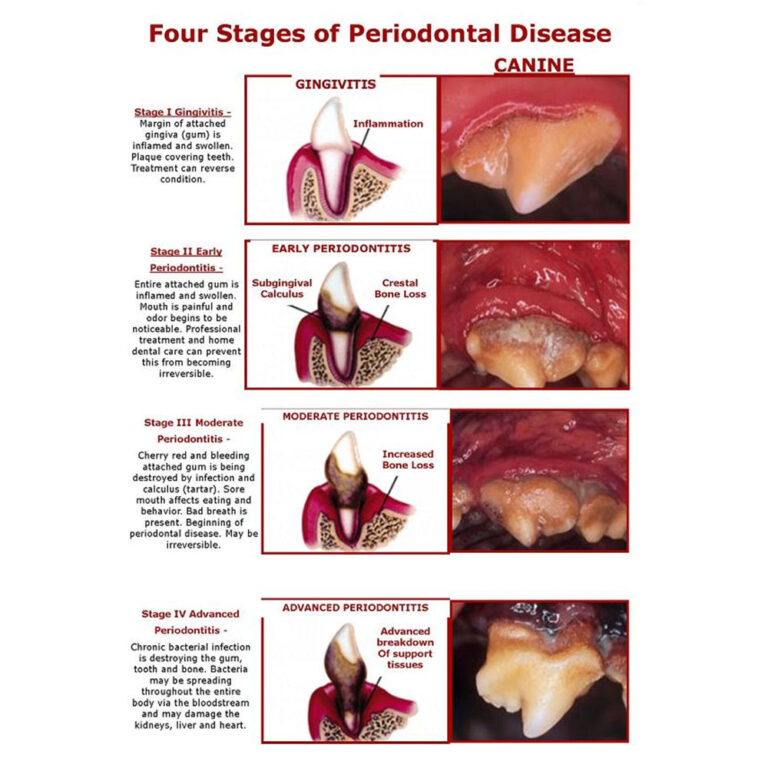
Dental disease is one of the most common medical conditions seen by veterinarians. Over 80% of dogs over the age of three have active dental disease and more than half of all cats over the age of three have some form of dental disease.
The most common dental problems seen in dogs are Periodontal disease and fractured teeth while in cats the most common problems are gingivitis, periodontal disease (a progression from gingivitis), and tooth resorption.
- Periodontal disease is a term used to describe the infection and associated inflammation of the periodontium (the tissues surrounding the tooth).
- Gingivitis is an inflammation of the gums caused by the accumulation of plaque.
- Tooth resorption is a progressive destruction of the tooth (crown and/or root) resulting in slowly progressive “holes” in the affected teeth.
Pet Teeth Cleaning Dubai
Dental Procedures
Unlike in human dentistry where fillings are used; in pets, the effective treatment is to extract the tooth to ensure that the disease does not spread. Even if teeth can be saved, they will inevitably degrade and need removing in the future.
The first step in your pet’s dental care is a dental exam to confirm that a dental cleaning is needed. Your veterinarian will review with you what procedures are likely required prior to the dental cleaning.
A preanesthetic blood tests will be performed to ensure that kidney and liver function are satisfactory for anaesthesia as well as an evaluation of the heart and abdomen if needed. Anaesthesia is important to allow a tooth-by-tooth examination including dental X-rays.
- A dental cleaning visit will include a thorough dental examination, dental radiographs (X-rays) may be taken to assess the viability of the tooth root and surrounding bone.
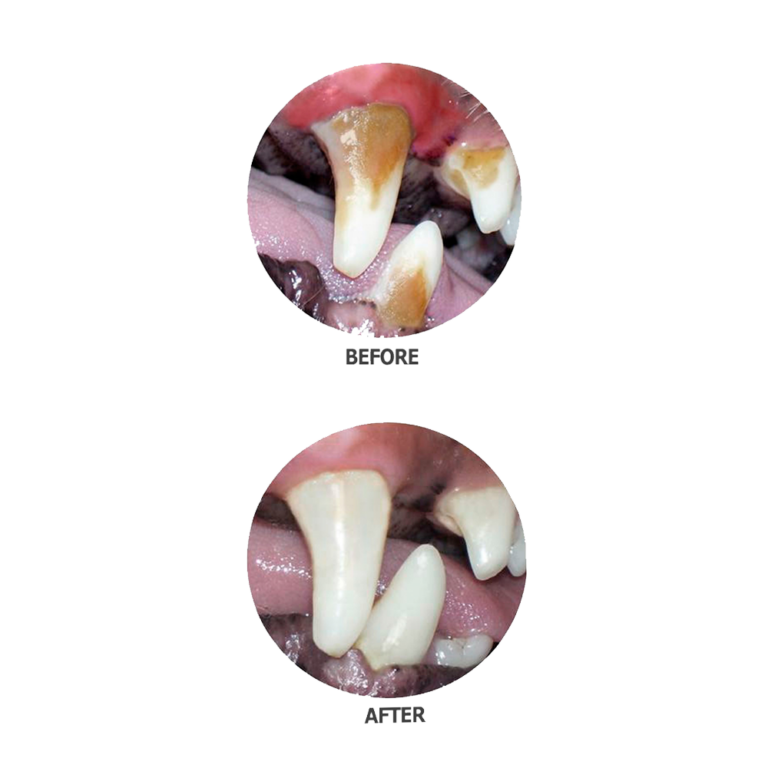
- Then tooth scaling will be performed, using both hand and ultrasonic scalers to remove plaque and tartar above and below the gum line. The tartar below the gum line causes the most significant periodontal disease, so it is important that it be thoroughly removed.
- After scaling, the teeth are polished to remove microscopic scratches and decrease the rate of subsequent plaque build-up.
When periodontal disease is advanced, it may not be possible to save the badly affected teeth, which may need to be extracted either during the procedure or at a later time.
Since it can be difficult to predict the extent of dental disease in advance of the procedure, it is imperative that your veterinarian be able to reach you during the procedure to discuss any additional treatment that may be necessary.
The treatment your pet may require will be discussed with you after the cleaning once each tooth and the gums have been checked.
Veterinary Dental Services
Prevention
THE VETERINARY HOSPITAL
Our Location
Villa 4, Al Wasl Rd
Umm Al Sheif – Dubai
Got Questions?
ONLY hotline